

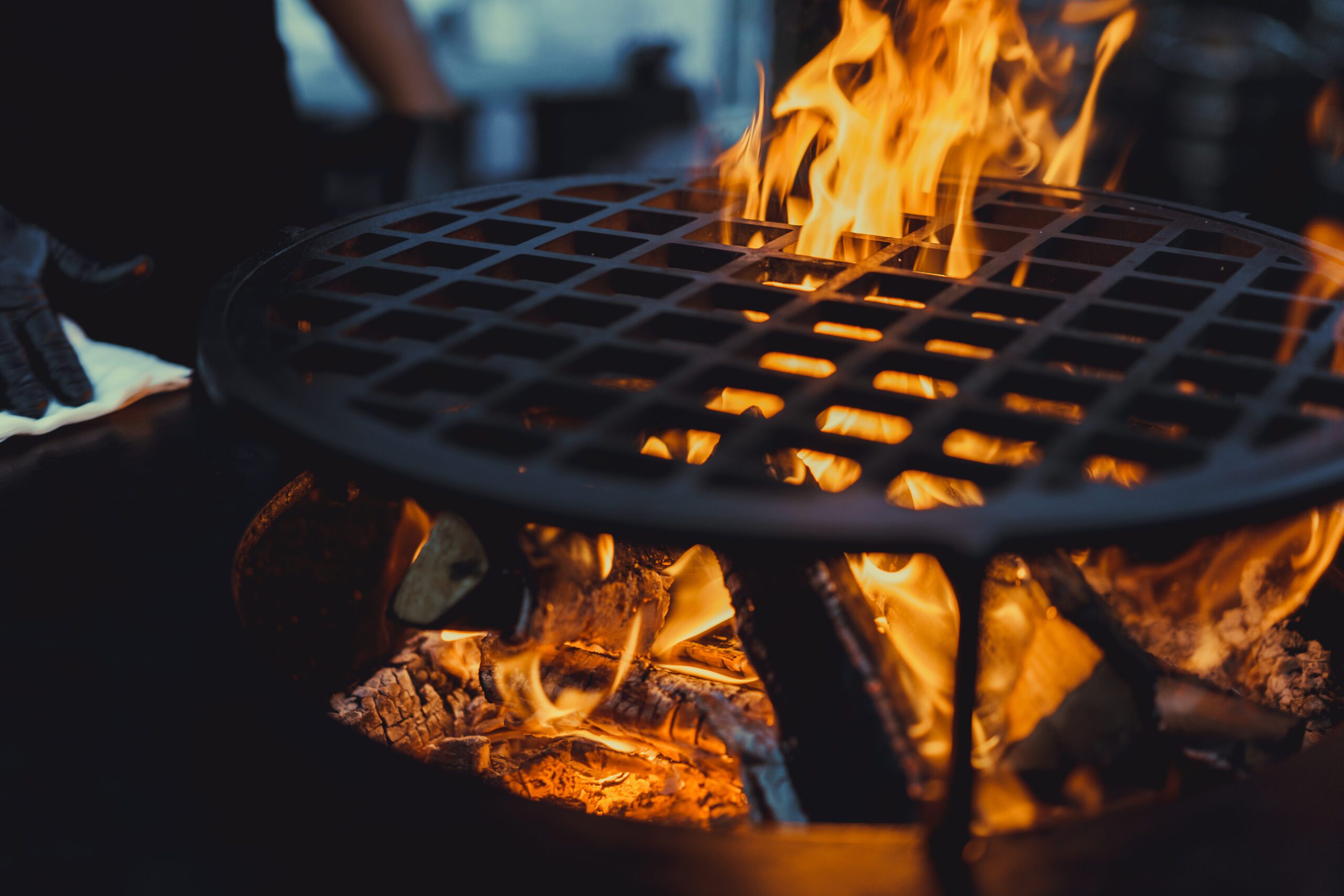
Charcoal vs Gas vs Electric Weber Grills: Pros and Cons Explained
Charcoal vs Gas vs Electric Weber Grills: Pros and Cons Explained
Choosing a Weber grill often comes down to one key decision: charcoal, gas, or electric. Each option delivers a different cooking experience in terms of flavour, convenience, control, and lifestyle fit.
There is no single “best” choice for everyone. The right grill depends on how you cook, how often you use it, and the type of outdoor experience you want.
This guide breaks down the pros and cons of each Weber grill type to help you make an informed decision.
Charcoal Weber Grills
Charcoal grills are the most traditional option and are closely associated with classic outdoor braai culture. They are known for delivering strong, smoky flavour and a hands-on cooking experience.
Pros
- Produces a rich, smoky flavour that enhances food taste
- Reaches high temperatures ideal for searing meat
- Generally more affordable upfront than gas models
- Simple construction with fewer mechanical parts
- Strong connection to traditional braai culture
Cons
- Longer preparation time (typically 20 to 30 minutes to heat up)
- Requires more skill to control temperature
- Produces ash that must be cleaned after use
- Less convenient for quick or frequent cooking
Best suited for
Charcoal Weber grills are ideal for users who value flavour, tradition, and the full braai experience, and who do not mind a slower cooking process.
Gas Weber Grills
Gas grills are designed for convenience, speed, and precision. They are one of the most popular choices for everyday grilling due to their ease of use.
Pros
- Quick ignition and fast heating time
- Easy and precise temperature control
- Cleaner cooking process with no ash
- Suitable for frequent use and weeknight meals
- Consistent performance across different foods
Cons
- Less smoky flavour compared to charcoal
- Higher initial purchase cost
- Requires gas refills or a fixed gas connection
- Less traditional braai experience
Best suited for
Gas Weber grills are ideal for users who want fast, reliable, and convenient grilling without the need for fire management.
Electric Weber Grills
Electric grills offer modern convenience and are designed for compact living spaces and controlled environments.
Pros
- Simple plug-in operation
- Fast and consistent heating
- Suitable for apartments and balconies
- Minimal smoke output
- Easy to clean and maintain
Cons
- Requires access to electricity at all times
- Less smoky flavour compared to charcoal
- Limited portability for remote outdoor cooking
- Smaller cooking surfaces in many models
Best suited for
Electric Weber grills are ideal for urban living, small spaces, and environments where open flames or gas use may be restricted.
Comparison Overview
| Feature | Charcoal | Gas | Electric |
|---|---|---|---|
| Flavour intensity | High | Medium | Low |
| Convenience | Low | High | Very high |
| Heat control | Medium | High | High |
| Setup time | Slow | Fast | Very fast |
| Traditional braai feel | High | Medium | Low |
Which Weber Grill Should You Choose?
The best Weber grill depends on your lifestyle and cooking preferences:
- Choose charcoal if you want authentic flavour and a traditional braai experience
- Choose gas if you prefer speed, control, and everyday convenience
- Choose electric if you need simplicity, compact design, and low-maintenance cooking
Many outdoor cooking enthusiasts eventually use more than one type of grill, depending on the occasion.
Final Thoughts
Weber grills are known for quality and consistency across all fuel types. The decision is not about which is best overall, but which best fits your cooking style and lifestyle.
Charcoal offers flavour and tradition.
Gas offers speed and control.
Electric offers simplicity and convenience.
Each option delivers a different experience, but all support one thing: great outdoor cooking.
Frequently Asked Questions
Which Weber grill has the best flavour?
Charcoal grills generally provide the strongest smoky flavour due to the nature of burning charcoal.
Is gas better than charcoal for beginners?
Yes. Gas grills are easier to control, faster to start, and more forgiving for new users.
Are electric Weber grills suitable for outdoor use?
Yes, but only where electricity is available. They are best for patios, balconies, and urban environments.
Which Weber grill is easiest to maintain?
Electric and gas grills are generally easier to maintain than charcoal grills because they produce less residue.
Can gas grills produce a smoky flavour?
Gas grills can produce some flavour, but they do not match the depth of charcoal cooking.
